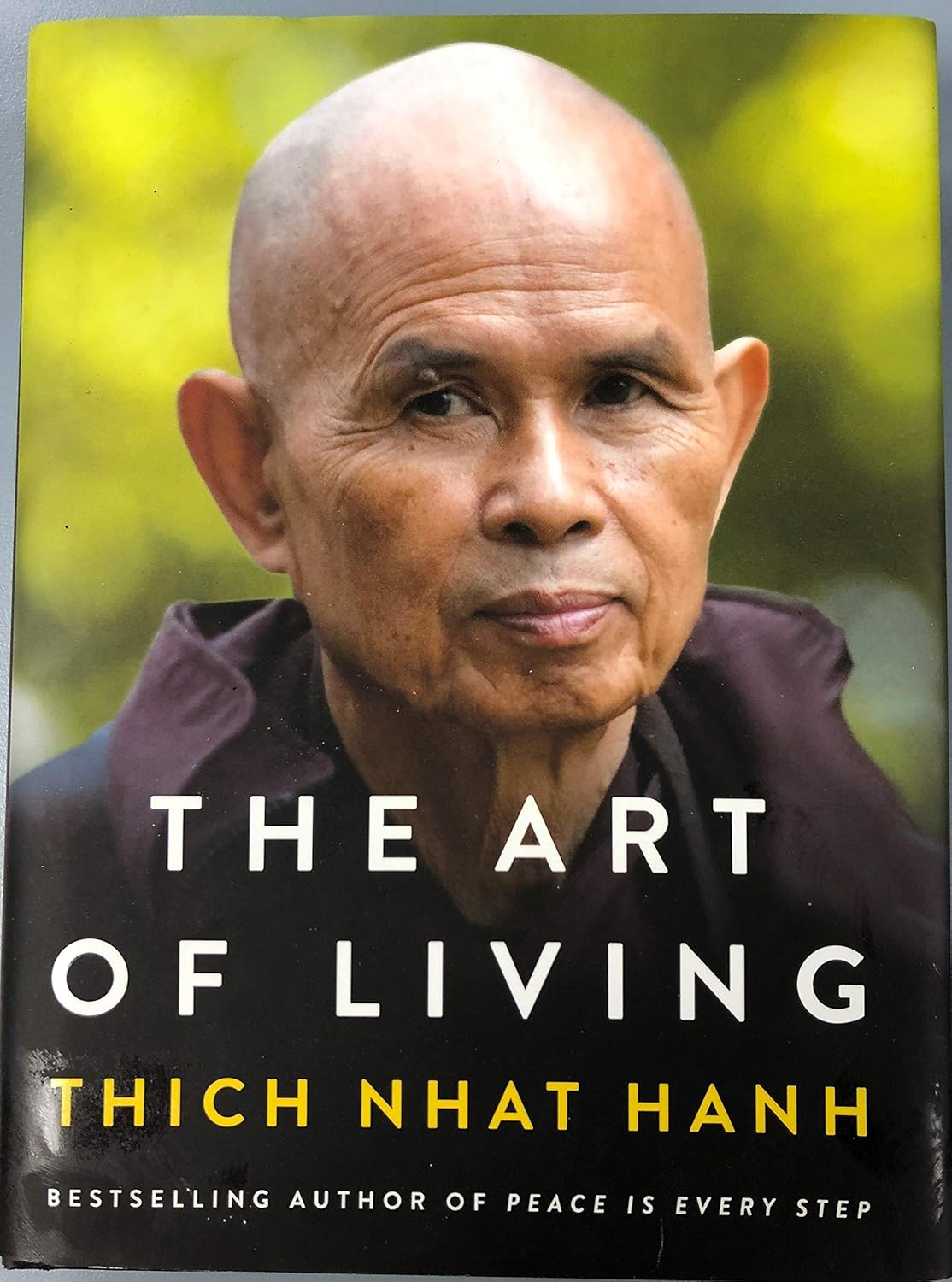
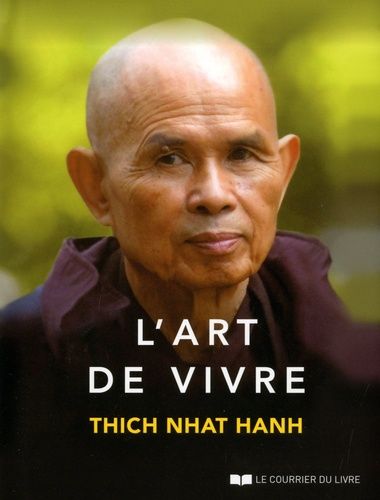
The Art of Living Book: Seven Concentrations for Freedom in Daily Life
Thich Nhat Hanh's final teachings on emptiness, interbeing, and nirvana — not as escape from life, but as full arrival in every moment.
The Art of Living—poignant, timeless wisdom for collapsing the illusion that meditation and daily life are separate, revealing how every moment becomes opportunity for freedom in the here and now.
Order the official edition. Support the living sangha. Discover home in every step.
“I have arrived, I am home. In the here, in the now.” — Thich Nhat Hanh
You’ve cultivated profound peace during meditation—accessing states of deep concentration, touching emptiness, feeling genuine equanimity on the cushion. Yet this peace dissolves when engaging daily life’s complexities: difficult conversations with colleagues trigger reactivity, family responsibilities feel like obstacles to practice, the gap between “spiritual life” and “ordinary life” remains stubbornly persistent despite years of dedicated sitting.
The Art of Living Thich Nhat Hanh offers the definitive bridge across this divide, presenting the Seven Concentrations—transformative meditations on impermanence, emptiness, signlessness, aimlessness, non-craving, letting go, and nirvana—as practical lenses for viewing every moment of daily existence. These teachings, drawn from Thich Nhat Hanh’s final full talks before his sudden hospitalization, carry immense legacy weight: the clarifying wisdom of a master offering his most essential guidance for living with freedom in the here and now, not as escape from life but as full engagement with it.
What Are the Seven Concentrations?
The book presents seven concentrations in a specific contemplative arc, each chapter opening a deeper dimension of insight:
- Emptiness: The Wonder of Interbeing — Nothing exists independently. Your frustration, your joy, your very self arise through interdependence. Recognising interbeing is the first gateway to freedom.
- Signlessness: A Cloud Never Dies — We mistake appearances for reality. A cloud becomes rain, becomes tea — it never truly dies. Releasing fixed perceptions, we touch the deathless nature of all things.
- Aimlessness: Resting in God — Peace is not a future destination. You do not need to run anymore. Everything you are looking for is already here, in this breath, this step.
- Impermanence: Now Is the Time — Because everything changes, every moment is precious. Impermanence is not a reason for despair — it is the very condition that makes life, love, and transformation possible.
- Non-Craving: You Have Enough — You already have more than enough conditions to be happy. This concentration helps release the habit of always seeking something more.
- Letting Go: Transformation and Healing — What we hold tightly keeps us stuck. Letting go is not loss — it is the doorway to transformation and healing, freeing us to live more fully.
- Nirvana Is Now — Nirvana is not a distant realm after death but freedom from fear, craving, and illusion available in this very moment. I have arrived, I am home.
How Does This Book Help Us Face Aging and Dying?
Through the teaching of the Eight Bodies — physical body, breath body, feeling body, mental formations body, consciousness body, Dharma body, community body, and wisdom body — Thich Nhat Hanh shows that we are not confined to one physical form.
When you recognise your continuation through all eight bodies, death loses its terror. Your physical form is temporary, but your wisdom body, your impact on the sangha, your dharma contributions continue. For those who have practised deeply with the question “what happens when I die?”, this teaching echoes and deepens the insights offered in No Death, No Fear.
The book cultivates curiosity — even joy — in facing mortality, by revealing continuation rather than annihilation. A cloud never dies. It becomes rain, becomes river, becomes tea in your cup.
What Are the Three Doors of Liberation?
Emptiness, signlessness, and aimlessness are known in Buddhist teaching as the Three Doors of Liberation — gateways you walk through in every ordinary moment. Washing dishes becomes meditation on interbeing. Difficult conversations become practice in emptiness of fixed views. Traffic delays become opportunities for touching signlessness.
The Art of Living shows how these are not meditations you do separately from life — they are how you meet life when peace and activity become inseparable.
Going as a River: Supporting the Living Tradition
When you choose The Art of Living from the official Plum Village Shop, your purchase supports the international monastic sangha preserving these final teachings. Every book funds retreat scholarships, monastic training, and transmission of this integration wisdom to future practitioners bridging meditation and daily life.
Explore Your Complete Journey:
- Advanced Practice Pathway – Discover complementary integration texts
- Applied Wisdom Roadmap – See where this fits your evolution
- Thich Nhat Hanh Books on Healing Emotions
Frequently Asked Questions
Q: What are the seven concentrations in The Art of Living?
A: The seven concentrations, presented in the order of the book, are: (1) Emptiness — the wonder of interbeing, recognising that nothing exists independently, (2) Signlessness — a cloud never dies, releasing fixed perceptions, (3) Aimlessness — resting in God, finding peace here rather than seeking elsewhere, (4) Impermanence — now is the time, seeing constant change in all phenomena, (5) Non-Craving — you have enough, letting go of compulsive desire, (6) Letting Go — transformation and healing, freeing ourselves from what keeps us stuck, and (7) Nirvana — freedom from fear and craving, available right now.
Q: What is the difference between the Three Doors of Liberation and the Seven Concentrations?
A: The Three Doors of Liberation — emptiness, signlessness, and aimlessness — are the first three concentrations in the book and serve as primary gateways to freedom. The Seven Concentrations include these three plus impermanence, non-craving, letting go, and nirvana. All work together as practical lenses for viewing daily life — they are not sequential steps but simultaneous dimensions of awakened living.
Q: How does The Art of Living help with the fear of death?
A: Through the teaching of the Eight Bodies, Thich Nhat Hanh shows that you exist simultaneously in multiple dimensions — physical body, breath body, consciousness body, wisdom body, community body, and others. When you recognise your continuation through all these bodies, death loses its terror. The book cultivates curiosity and even joy in facing mortality by revealing continuation rather than annihilation — as Thay teaches, a cloud never dies.
Related Products
-
Reference
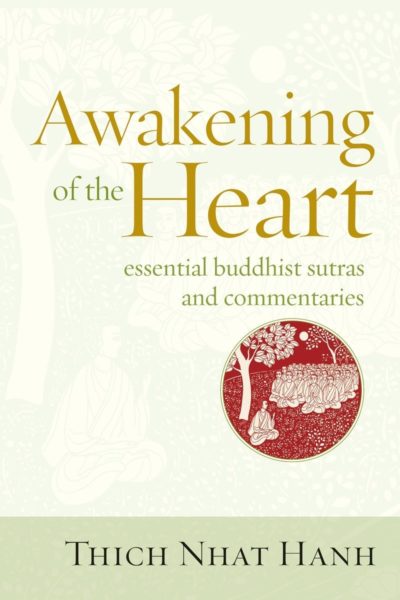
 €37.00
Awakening of The Heart: Thich Nhat Hanh’s Essential Buddhist Sutras and Commentaries
Essential Buddhist Sutras and Commentaries
View this bookAwakening of The Heart gathers nine essential Buddhist sutras from the Pali Canon and Mahayana tradition — including the Heart Sutra, Diamond Sutra, and Full Awareness of Breathing — with Thich Nhat Hanh's contemporary commentaries. A single-volume sutra anthology for dedicated practitioners. Order the official anthology. Support dharma transmission. Touch wisdom at its source.
-
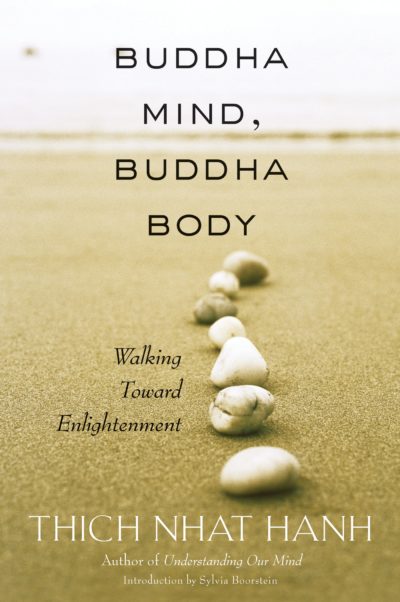
 €15.00
Buddha Mind Buddha Body: The Science and Spirit of Embodied Realization
Walking Toward Enlightenment
View this bookBuddha Mind Buddha Body—deep integration of ancient wisdom and contemporary science, revealing how your body is not obstacle but opportunity for the deepest realization.
Order the official edition. Support the embodied sangha. Discover the science and spirit of embodied realization.
-
Reference
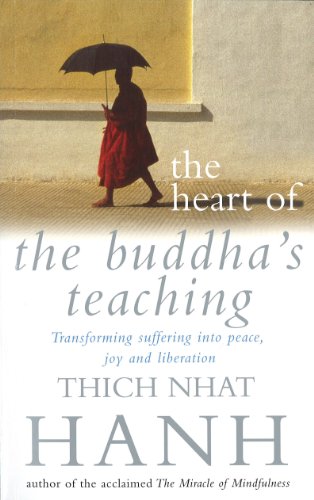
 Price range: €8.10 through €23.90
The Heart of the Buddha’s Teaching: A Path for Realization
Transforming Suffering into Peace, Joy, and Liberation
View this bookThe Heart of the Buddha's Teaching—comprehensive, systematic wisdom revealing how your years of scattered practice form one unified jewel of understanding.
Order the commemorative hardcover. Support complete transmission. Discover the architecture beneath your practice.
-
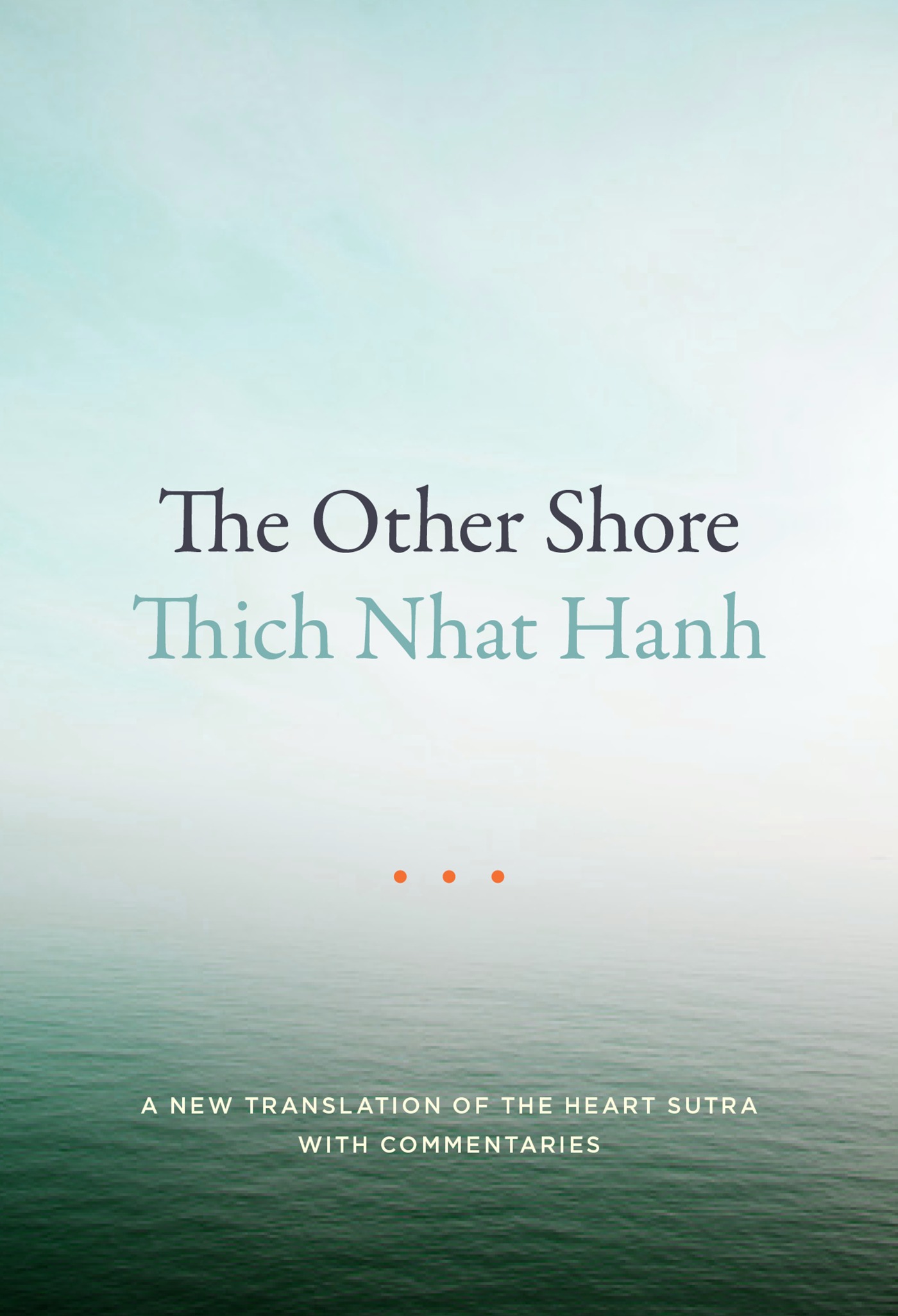
 €14.50
The Other Shore Thich Nhat Hanh: Heart Sutra Commentary
A New Translation of the Heart Sutra with Commentaries
View this bookThe Other Shore Thich Nhat Hanh's most rigorous exploration of the Prajnaparamita (Perfection of Wisdom) sutras--isn't another introduction to emptiness. This definitive translation correcting 2,000 years of misunderstanding, revealing what...
-
 €30.00
The Path of Emancipation: Thich Nhat Hanh’s Comprehensive Guide to the First 21-Day Retreat in North America
Talks from the first 21-Day Mindfulness Retreat in Vermont
View this bookThe Path of Emancipation—source-level transmission of the complete teaching as it lived during 21 days of concentrated practice, offering the retreat's unified vision to support your daily path. Order the official edition. Join the river of intensive study. Return home to fundamental practice.