
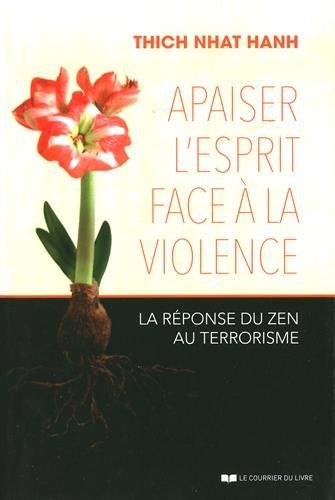
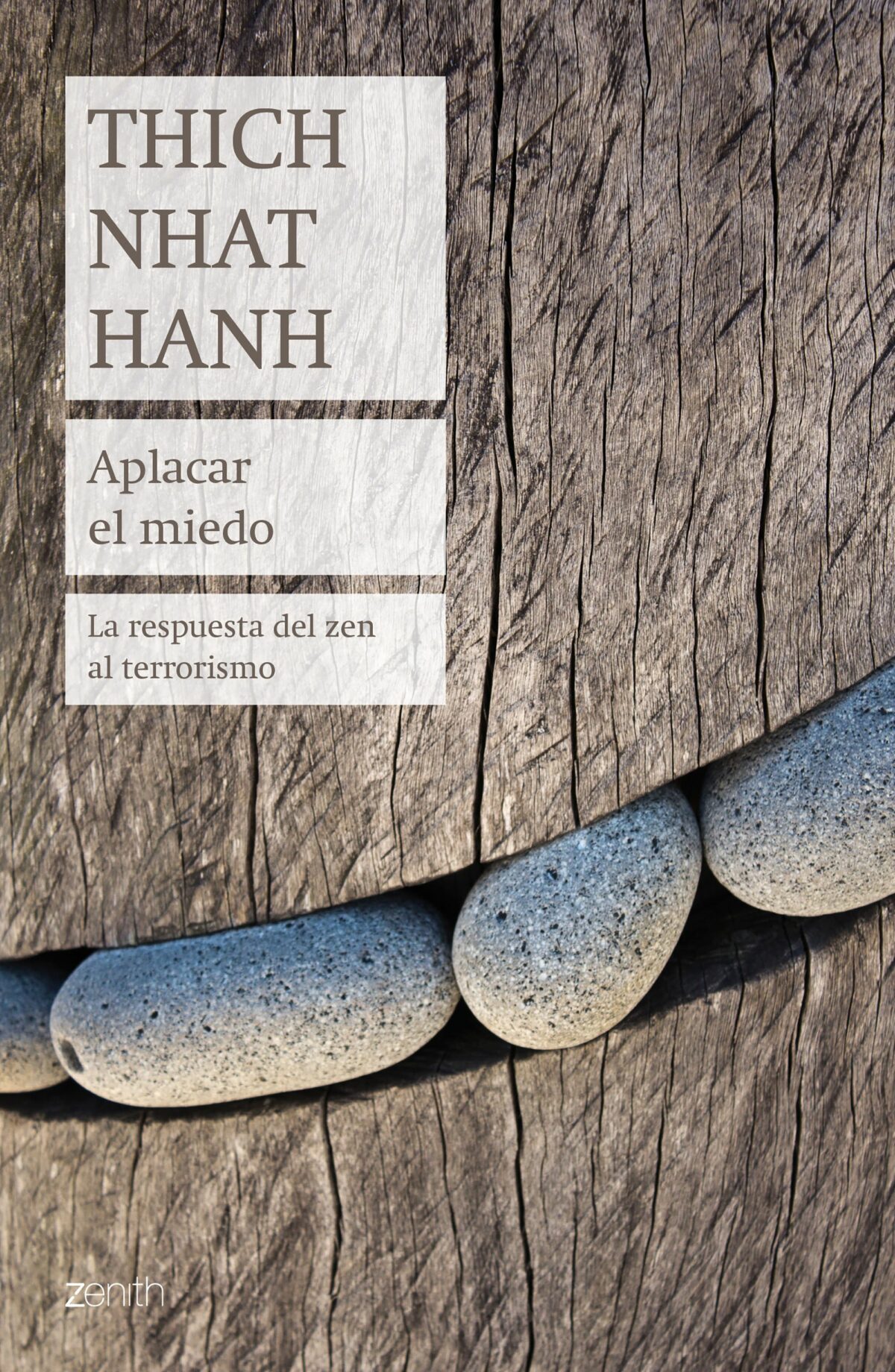


Calming the Fearful Mind
A Zen Response to Terrorism
When violence, war, and collective fear feel overwhelming—when you want to stay engaged with reality without drowning in rage or despair—you need a practice that addresses the roots, not just... Read More
When violence, war, and collective fear feel overwhelming—when you want to stay engaged with reality without drowning in rage or despair—you need a practice that addresses the roots, not just the symptoms. Calming the Fearful Mind offers Thich Nhat Hanh’s response to terrorism and societal trauma, teaching you how to maintain peace practice precisely when the world feels most threatening.
Why This Teaching Matters Now
How to Stay Peaceful During War: Engaged Buddhism’s Response
Written after 9/11, this book emerged from Thay’s decades of practicing nonviolence through the Vietnam War and beyond. Rather than offering spiritual bypassing, it addresses the real question practitioners face: how do you maintain inner peace while witnessing collective violence? The answer lies in understanding that our true enemies aren’t other human beings but ignorance, discrimination, fear, and reactive violence within ourselves and our societies.
Nonviolent Response to Terrorism Through Deep Looking
Thay identifies terrorism’s actual roots—not through political analysis but through mindfulness practice. You’ll learn step-by-step instructions for calming your mind and looking deeply into the misperceptions that fuel hatred and division. This isn’t about being passive; it’s about responding with the clarity that comes from not being hijacked by fear. The practices of compassion, deep listening, and mindful communication become tools for transformation rather than mere concepts.
Collective Trauma Mindfulness: Healing Division at Every Level
This book addresses fear as it manifests in individuals, communities, and nations. Whether you’re facing personal anxiety about world events or trying to navigate polarized relationships, the teachings apply. Published by Plum Village, this edition ensures you receive Thay’s engaged Buddhism exactly as he taught it—wisdom that helped practitioners stay grounded through decades of conflict and continues to support those facing today’s uncertainties.
Frequently Asked Questions
Q: How does mindfulness practice respond to violence in the world?
A: Mindfulness in a world of violence begins with recognizing that reactive fear and rage don’t protect us—they perpetuate the cycles of harm. In “Calming the Fearful Mind,” Thich Nhat Hanh teaches that our real enemies aren’t other people but ignorance, discrimination, and fear within ourselves and our societies. Through step-by-step practices like calming the mind and looking deeply, you learn to respond to terrorism, war, and collective trauma with clarity rather than being overwhelmed by hopelessness or reactive anger. The book offers compassion, deep listening, and mindful communication as practical tools for transformation—not as passive responses but as engaged Buddhist practices that address violence at its roots. Written after 9/11, these teachings apply to any era when collective fear threatens to overwhelm wise response.
Q: What does “engaged Buddhism response to violence” mean in practice?
A: Engaged Buddhism’s response to violence means staying present with difficult realities without drowning in them, and taking action rooted in understanding rather than fear. Thich Nhat Hanh’s approach in this book doesn’t advocate for withdrawal from the world’s problems; instead, it teaches you how to maintain peace practice precisely when external circumstances feel most threatening. You learn to identify the roots of terrorism and conflict through mindfulness—recognizing that craving, hatred, and misperception fuel violence at every level from personal to national. The practices include calming your fearful mind, looking deeply into your own reactivity, and engaging with others through compassionate communication. This allows you to stay engaged with collective challenges while modeling a path out of the fear-rage-retaliation cycle that perpetuates suffering.
Q: Can this book help with anxiety about current events and wars?
A: Yes, though written after 9/11, “Calming the Fearful Mind” directly addresses the timeless question: how do you stay peaceful during war and collective trauma without becoming numb or complicit? If you’re experiencing anxiety about violence, terrorism, or political divisions—whether historical or current—this book offers practices for staying grounded without denial. Thay teaches that safety doesn’t come from eliminating “enemies” but from transforming the ignorance, fear, and hatred that create conflict. You’ll find guidance for working with collective fear, maintaining equanimity during uncertainty, and responding to polarization with wisdom rather than reactivity. For additional support with personal anxiety, you might also explore our full collection of Thich Nhat Hanh books for healing fear and strong emotions in our Emotional Healing pathway.
Support the Sangha
When you purchase from Plum Village Shop, you directly support the international monastic community that embodies these peace teachings daily. These aren’t just words on pages—they’re practices the monastics live, especially during times of global crisis. Your investment helps sustain this refuge of sanity and compassion in a fearful world.
Part of Our Emotional Healing & Transformation of Suffering Pathway
Calming the Fearful Mind addresses collective fear and societal violence. For guidance on transforming personal anxiety, anger, and fear, explore more books in this healing collection here →
Building Your Mindful Library?
This book on engaged Buddhism and collective fear is one doorway into Thay’s complete teachings. For a curated roadmap—from foundational mindfulness to advanced practices for transforming suffering—explore our Thich Nhat Hanh Books: The Official Guide to Applied Wisdom. Discover which teachings to apply, when, and how they work together.

Beyond the Storm of Fear | Teaching by Thich Nhat Hanh
About Thich Nhat Hanh
Thich Nhat Hanh was a world-renowned spiritual teacher and peace activist. Born in Vietnam in 1926, he became a Zen Buddhist monk at the age of sixteen. Over seven decades of teaching, he published more than 100 books, which have sold more than four million copies in the United States... View Author

Related Products
-

 Price range: €8.70 through €24.45
Anger: Wisdom for Cooling the Flames
Thich Nhat Hanh’s teachings guide you to transform anger into compassion and peace
View this bookAnger erupts before you can stop it—destroying relationships with words you can't take back, leaving you shaking with shame and exhausted from the same reactive patterns that keep repeating despite...
-

 €22.85
Fear: Essential Wisdom for Getting through the Storm
View this bookClimate anxiety, panic attacks, chronic worry, relationship insecurity—you're swimming in an ocean of fear that makes ordinary life feel unbearable, and you need medicine that works right now, not abstract...
-

 €12.00
How to Live When a Loved One Dies
Healing Meditations for Grief and Loss
View this bookWhen grief shatters everything you thought you knew about living, you need more than platitudes—you need practices that let you breathe through the unbearable. How to Live When a Loved...
-

 Price range: €6.80 through €21.70
No Death, No Fear
Comforting Wisdom For Life
View this bookWith hard-won wisdom and refreshing insight, Thich Nhat Hanh confronts a subject that has been contemplated by Buddhist monks and nuns for twenty-five-hundred years— and a question that has been...
-

 Price range: €15.00 through €17.00
No Mud, No Lotus: The Art of Transforming Suffering
View this bookNo Mud No Lotus offers the most hope-filled truth in spiritual practice: your suffering isn't an obstacle to happiness but the very ground from which joy grows. When meditation hasn't...