

Wooden Fish — Traditional Buddhist Temple Block for Chanting (Mõ)
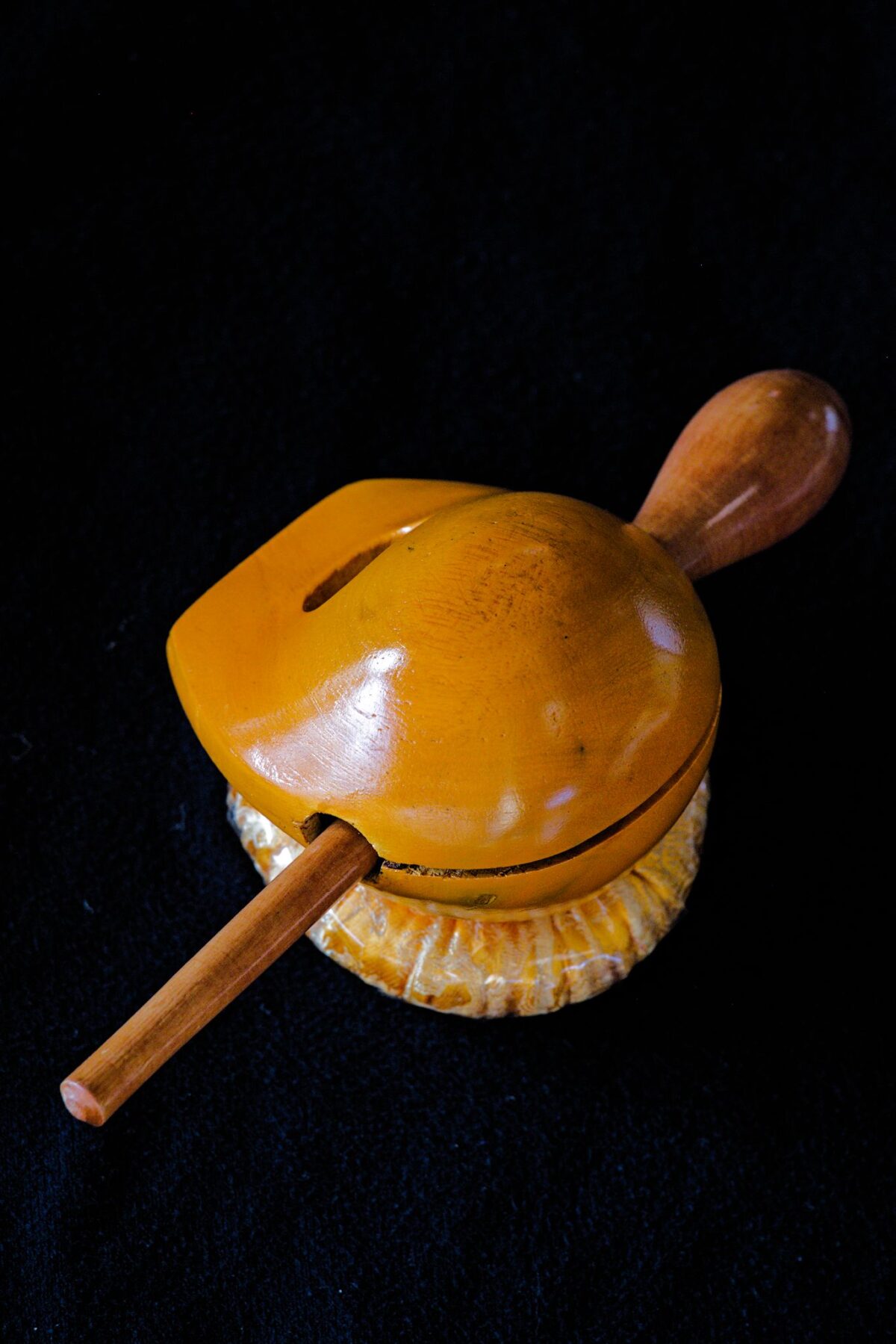
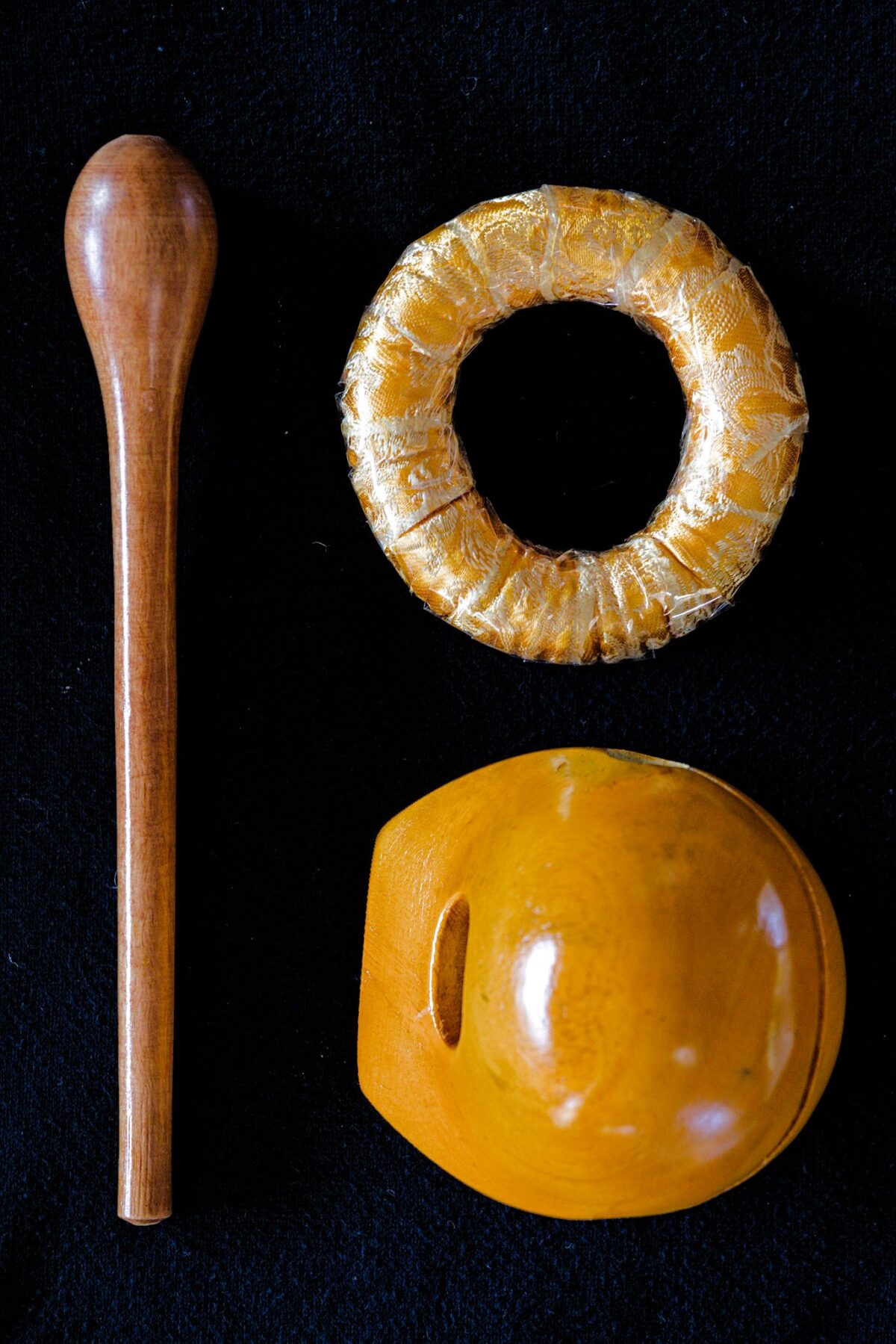
The wooden fish — known as Mõ in Vietnamese, mokugyo in Japanese, and muyu in Chinese — is a traditional Buddhist temple block used to keep rhythm during chanting and meditation. Handcrafted from jackfruit wood near Thay's root temple in Hue, Vietnam.
In stock
“The sangha body is chanting this morning. This sound is the voice of the Buddha calling us back to our true home.” — Plum Village Chanting Tradition
The wooden fish is a Buddhist temple block that has accompanied the chanting of sutras across Asia for over a thousand years. Known as Mõ in Vietnamese, mokugyo in Japanese, muyu in Chinese, and moktak in Korean, this fish drum instrument keeps a steady, gentle rhythm that helps practitioners maintain concentration and enter a meditative state during chanting.
This Mõ is handcrafted from jackfruit wood in a workshop in the city of Hue, Vietnam — near Tu Hieu, the root temple of Zen Master Thich Nhat Hanh (Thay). Each instrument takes two months to produce, including one month of careful drying time. It is the same kind of wooden fish that sounds in Plum Village monasteries around the world.
What Is a Wooden Fish?
A wooden fish is a hollowed-out percussion instrument carved in the shape of a fish. In Buddhist tradition, the fish symbolises vigilance — because a fish never closes its eyes. This is the quality practitioners cultivate during chanting: wakefulness, attention, presence.
The steady beat of the wooden fish creates a shared rhythm for the sangha. When we chant together, we are not performing — we are breathing, listening, and allowing the words to enter us. The wooden fish holds that rhythm like a heartbeat, gently keeping everyone in step without commanding.
In the Plum Village tradition, the Mõ is often used together with the Hand Bell (Khanh) during ceremonies and morning chanting. The bell marks the pauses; the wooden fish carries the flow.
How to Use the Wooden Fish in Chanting
- Hold the bell inviter lightly. Invite the wooden fish to sound with a relaxed wrist — the rhythm should feel natural, like breathing, not mechanical.
- Match the pace of the chanting. The beat follows the syllables of the sutra. In Plum Village, the tempo is slow and deliberate — each word is given space.
- Begin and end with the bell. The Hand Bell (Khanh) signals the start and close of chanting. The wooden fish sustains the rhythm between these two moments.
You can also use the Mõ as a personal practice tool at home — a single beat as a reminder to pause and return to your breathing.
Craftsmanship & Heritage
- Wood: Jackfruit wood — chosen for its warm, resonant tone
- Origin: Handcrafted in Hue, Vietnam, near Tu Hieu Pagoda (Thay’s root temple)
- Making time: Two months per instrument (includes one month of drying)
- Tradition: The same style of Mõ used in Plum Village monasteries worldwide
Product Details
- Dimensions: 25 × 11 × 10 cm
- Weight: 200 g
- Material: Jackfruit wood
- Bell inviter: Included
- Origin: Handcrafted in Hue, Vietnam
Going as a River: Why the Official Source Matters
In the Plum Village tradition, we know that a single drop of water evaporates, but as a river, it reaches the sea. When you choose to support your practice through the Plum Village Official Shop, your purchase is more than a transaction — it is an act of Dana (generosity).
Every purchase directly supports the Plum Village monastic community and its mission to share the practice of mindfulness with the world. Thank you for going as a river with us.
Frequently Asked Questions
Q: What is a wooden fish instrument?
A: A wooden fish is a hollowed-out wooden percussion instrument shaped like a fish, used in Mahayana Buddhist rituals to maintain rhythm during sutra chanting. It is known as mokugyo in Japanese, muyu in Chinese, moktak in Korean, and Mõ in Vietnamese. The fish shape symbolises vigilance — because a fish never closes its eyes — representing the wakefulness practitioners aspire to during practice.
Q: What is a temple block used for?
A: A temple block (also called a wooden fish or mokugyo) is used in Buddhist monasteries and home practice to keep rhythm during sutra chanting. The steady beat helps practitioners maintain concentration and enter a meditative state. In the Plum Village tradition, the temple block is played alongside the Hand Bell (Khanh) during morning and evening chanting ceremonies.
Q: What is a mokugyo?
A: Mokugyo is the Japanese name for the wooden fish instrument — a Buddhist percussion block invited to sound with a padded bell inviter during chanting and meditation. It is one of the most recognisable sounds in Buddhist liturgy. The same instrument is known as Mõ in Vietnamese and muyu in Chinese.
Q: What is a fish drum instrument?
A: A fish drum is another name for the wooden fish or mokugyo — a carved wooden percussion instrument shaped like a fish. It gets its name from the Buddhist belief that fish never close their eyes, symbolising the vigilance practitioners aspire to during chanting. This Mõ is handcrafted from jackfruit wood near Thay’s root temple in Hue, Vietnam.
Additional information
Additional information
| Weight | 0.2 kg |
|---|---|
| Dimensions | 25 × 11 × 10 cm |

Chanting from the Heart | Discourse on Love Using Wooden Fish Instrument
Related Products
-

 €25.00
Hand Bell for Meditation & Buddhist Chanting — Vietnamese Khanh
Enjoy the pure and light sound of this ceremonies bell
View this bookVietnamese bells called "Khanh" — meaning "instrument for the pagoda." This hand bell is a sacred instrument used in the Plum Village tradition during ceremonies, processions, and chanting meditation.
-

 €50.00
Japanese Tiny Bell with vertuous stones
A wonderful sounds bringing you back to your true home
View this book"Listening to the bell, I feel my sorrow begins to dissolve, my mind calms, my body relaxed. A smile is born on my lips. Following the sound of the bell,...
-


-

 €45.00
Plum Village Organic Meditation Cushion – Filled Cushion, Organic Cotton
View this bookFormat: Filled Cushion, Material: Organic Cotton
-
 Price range: €130.00 through €1,035.00
Plum Village Zen Bell
Experience the calming presence of the Plum Village Zen Bell. Discover tranquility today.
View this bookHandcrafted in Taiwan, the Plum Village Zen Bell embodies the gentle wisdom of Zen Master Thich Nhat Hanh’s teachings. Each sound invites pause and peace into your daily practice. The...